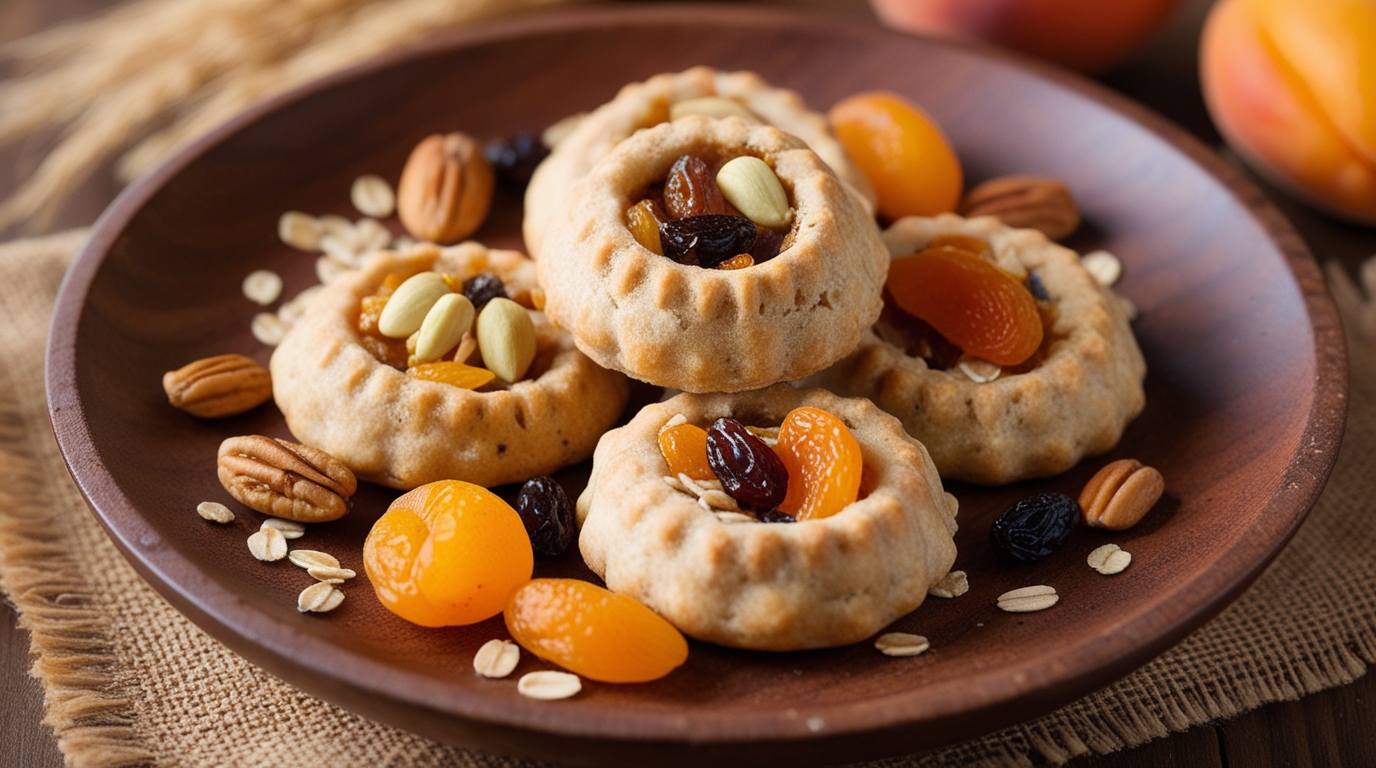
If you’ve ever asked yourself, “Are Qoghundos good for health?”, you’re not alone. This traditional Central Asian pastry has been celebrated for centuries at festivals, family gatherings, and cultural events. But beyond its rich, sweet taste and nostalgic value, what exactly makes Qoghundos ingredients noteworthy?
In this in-depth guide, we’ll explore the nutritional profile of Qoghundos, their health benefits, potential risks, and practical ways to enjoy them as part of a balanced diet. By the end, you’ll have a clear understanding of how these traditional pastries can support your energy, nutrition, and wellness goals.
What Are Qoghundos? Understanding the Traditional Pastry
Qoghundos are more than just sweets they are a cultural pastry rooted in Central Asian culinary heritage. Traditionally made from a combination of flour, oats, nuts, dried fruits, honey, and spices, they have a soft yet slightly dense texture and a naturally sweet flavor.
People often wonder whether Qoghundos are good for health, and the answer depends largely on the ingredients used. Let’s break down the components that make Qoghundos both delicious and nutritious.
Qoghundos Ingredients: A Deep Dive
Here’s a breakdown of the typical Qoghundos ingredients and what they contribute to your health:
| Ingredient | Type | Key Nutrients | Role |
|---|---|---|---|
| Flour | Carbohydrate | Energy, some protein | Base structure |
| Water | Fluid | Hydration | Dough formation |
| Oats | Whole grain | Fiber, iron, magnesium | Heart health, digestion |
| Honey | Natural sweetener | Antioxidants, bioactive compounds | Energy, metabolism boost |
| Almonds | Nut | Vitamin E, healthy fats, protein | Heart health, satiety |
| Raisins | Dried fruit | Potassium, iron, antioxidants | Natural sweetness, micronutrients |
| Apricots | Dried fruit | Vitamin A, fiber | Immune support, antioxidants |
| Seeds (chia/flax) | Superfood | Healthy fats, minerals, fiber | Texture, heart and digestion benefits |
| Spices | Flavor | Antioxidants, anti-inflammatory | Taste, antimicrobial |
| Dairy (optional) | Protein + fat | Calcium, protein | Moisture, richness |
Tip: Modern Qoghundos variations often substitute refined flour with whole grain flour and refined sugar with honey or dried fruits to maximize nutritional benefits.
Carbohydrates and Energy: Flour, Oats, and Natural Sweeteners
Flour: The Base of Qoghundos
Most Qoghundos are made with either refined or whole grain flour. While refined flour provides quick energy, whole grain flour offers fiber, vitamins, and minerals, contributing to sustained energy release.
Oats: Heart-Healthy Whole Grains
Oats add a significant nutritional boost. They provide:
- Soluble fiber, which aids digestion and stabilizes blood sugar
- Magnesium and iron, essential for muscle and nerve function
- Slow-burning energy, preventing energy spikes and crashes
Honey: Nature’s Sweet Touch
Replacing refined sugar with honey enhances Qoghundos nutrition:
- Antioxidants protect cells from oxidative stress
- Natural sugars provide gradual energy release
- Antimicrobial properties support digestive health
Using honey as a natural sweetener transforms Qoghundos into a clean, energy-sustaining snack.
Protein, Healthy Fats, and Nutrients: Nuts and Seeds
Almonds: The Crunchy Superfood
Almonds in Qoghundos are more than flavor they provide:
- Protein to support muscle repair and satiety
- Essential fatty acids for cardiovascular health
- Vitamin E, a potent antioxidant supporting immune function
Seeds: Tiny Nutritional Powerhouses
Chia or flax seeds add:
- Healthy fats for brain and heart health
- Fiber to aid digestion
- Micronutrients like magnesium and iron
Together, nuts and seeds make Qoghundos a balanced snack, combining protein, healthy fats, and complex carbohydrates.
Dried Fruits: Raisins and Apricots
Raisins: Sweet and Mineral-Rich
Raisins add natural sweetness along with:
- Potassium, for fluid balance and muscle function
- Iron, supporting oxygen transport
- Antioxidants, protecting against oxidative stress
Apricots: Nutrient-Dense Fruits
Apricots contribute:
- Vitamin A for skin, eye, and immune health
- Fiber, supporting digestion
- Natural sugars for energy without refined sugar spikes
Dried fruits make Qoghundos a fiber-rich, antioxidant-packed treat, elevating their health profile above typical snacks.
Spices: Small Additions, Big Effects
Spices like cinnamon, cardamom, and nutmeg not only enhance flavor but also provide:
- Antioxidant protection
- Anti-inflammatory effects
- Antimicrobial properties, aiding preservation and gut health
Traditional Central Asian recipes often use spices strategically for both taste and wellness.
Qoghundos Nutrition: Macro and Micronutrient Summary
| Nutrient | Importance | Provided by Qoghundos |
|---|---|---|
| Calories | Energy | Flour, oats, honey |
| Protein | Muscle repair | Nuts, seeds, dairy |
| Fiber | Digestion, satiety | Oats, fruits, seeds |
| Vitamin E | Antioxidant | Almonds, seeds |
| Magnesium | Muscle + nerve function | Oats, nuts, seeds |
| Potassium | Fluid balance | Raisins, apricots |
| Iron | Oxygen transport | Dried fruits, oats |
| Antioxidants | Cell protection | Honey, fruits, spices |
Key takeaway: With the right ingredients, Qoghundos are more than just snacks they are nutrient-dense treats.
Health Benefits of Qoghundos
- Supports Digestion: Fiber-rich oats, fruits, and seeds promote regularity and nutrient absorption.
- Regulates Blood Sugar: Complex carbs with fiber and protein release energy steadily.
- Supports Heart Health: Almonds and seeds provide healthy fats and antioxidants.
- Boosts Immunity: Vitamins, antioxidants, and minerals strengthen the immune system.
- Energy and Satiety: Balanced macronutrients help curb hunger and sustain energy levels.
Potential Risks and Considerations
Even healthy Qoghundos have some considerations:
- Allergens: Nuts, dairy, gluten may pose risks
- Caloric Density: Moderation is key
- Sugar Content: Natural sugars count toward total intake
- Commercial Additives: Some store-bought Qoghundos may contain preservatives
Tip: Homemade or whole-food versions are healthier and customizable.
Who Should Eat Qoghundos and Who Might Skip Them
Great for:
- People needing sustained energy
- Fans of whole-food, nutrient-rich snacks
- Individuals interested in cultural, traditional foods
Be cautious if:
- Allergic to nuts, dairy, or gluten
- On a low-sugar or calorie-restricted diet
- Need strict carbohydrate control
How to Make Qoghundos Healthier
- Use whole grain flour instead of refined flour
- Increase oats for fiber and slow-release energy
- Add more nuts and seeds for protein and heart-healthy fats
- Sweeten naturally with honey or dried fruits
- Incorporate beneficial spices like cinnamon or cardamom
- Portion wisely snack-size servings prevent overconsumption
These small swaps maximize the nutritional benefits while preserving traditional flavor.
FAQs About Qoghundos
Are Qoghundos good for weight loss?
In moderation, yes. Fiber and protein content help with satiety.
Do Qoghundos spike blood sugar?
Less than processed sweets. Fiber and protein slow sugar absorption.
Can Qoghundos be gluten-free?
Yes, using gluten-free flour and oats.
Are Qoghundos better than processed snacks?
Generally yes, due to natural sweeteners, nuts, seeds, and dried fruits.
Can vegans enjoy Qoghundos?
Yes, omit dairy and use plant-based alternatives.
Final Verdict: Are Qoghundos Good for You?
The honest answer: Yes, especially when made with wholesome ingredients. Traditional Qoghundos can offer:
- Balanced macronutrients
- Fiber for digestion
- Antioxidants and micronutrients
- Heart-healthy fats and energy-sustaining carbs
The key is preparation and portion control. Homemade, whole-food Qoghundos are ideal for enjoying this cultural pastry while reaping nutritional benefits.
